



Integrated Systems / Magnetometer
Map magnetic anomalies hidden beneath the surface
SENSYS MagDrone and MagNIMBUS magnetometers for drones, with SPH Engineering flight planning and onboard software, for fast, low-altitude magnetic surveys.
How it works
How a drone magnetic survey works
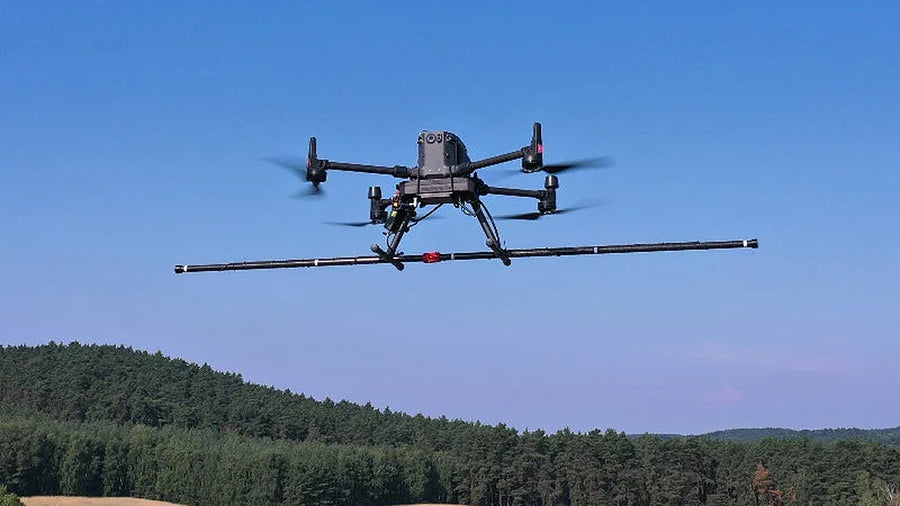
Fly tight lines
A drone flies the magnetometer low and steady along close, parallel survey lines.
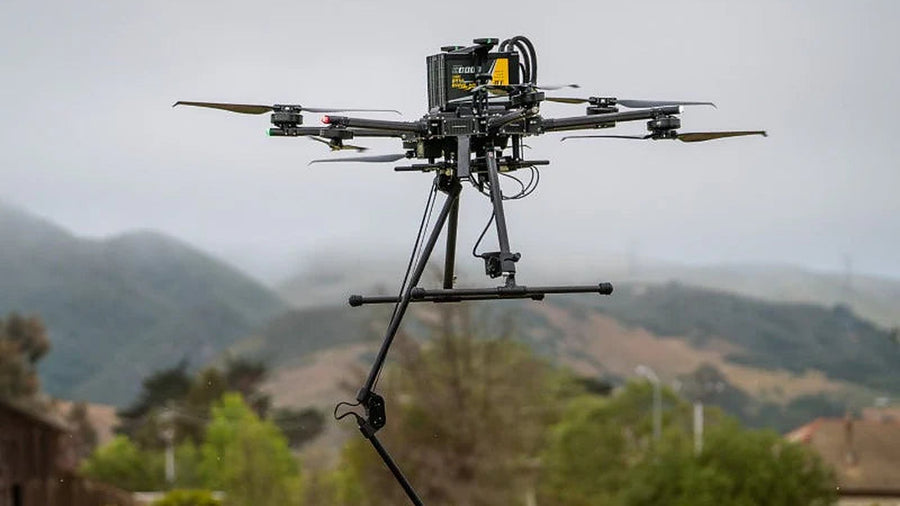
Measure the field
The magnetometer measures the magnetic field at many points across the area, usually in nanotesla (nT).
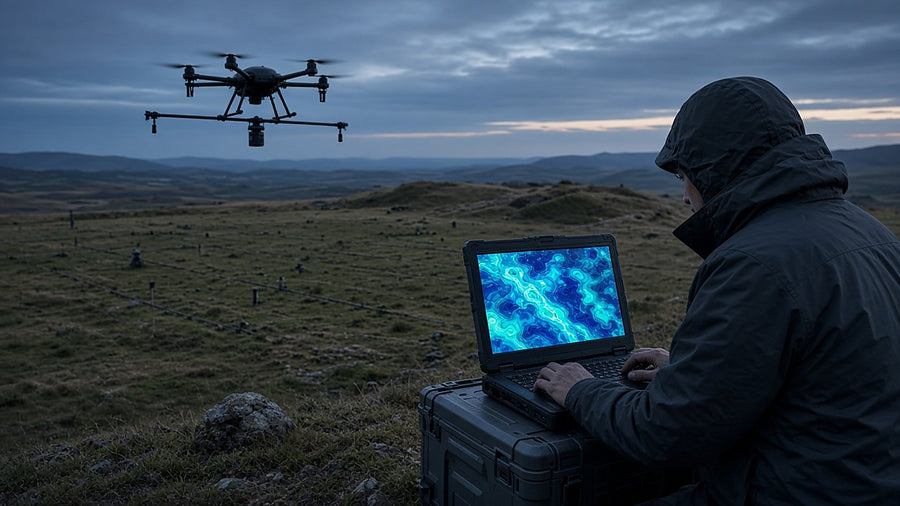
Find the anomalies
Logged data with position is processed into maps that show where the field differs from the average, which often points to magnetic objects below.
Applications
What teams find with magnetometers
UXO search
Scan for magnetic anomalies before ground work begins.
Underground utilities
Help locate buried metallic pipes and cables.
Archaeology
Map buried features across a site without digging.
Abandoned wells
Search for buried well casings.
Exploration geophysics
Magnetic surveys for mining and mineral exploration.
Tramp metal
Detect stray metal in materials and stockpiles.
Shop the systems
Magnetometers and software
7 products

SPH Engineering
SPH Engineering SkyHub Software Package for MagNIMBUS
$ 4,446.00
View details →SPH Engineering
SPH Engineering SkyHub Software Package for SENSYS MagDrone
$ 3,556.00
View details →
SPH Engineering
SPH Engineering UgCS Commander Perpetual License
$ 11,606.00
View details →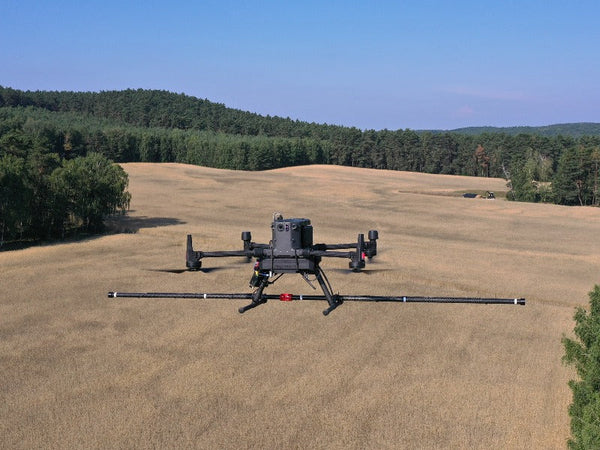
SENSYS
SENSYS MagDrone R4 UAV High-Resolution Magnetometer
$ 43,860.00
View details →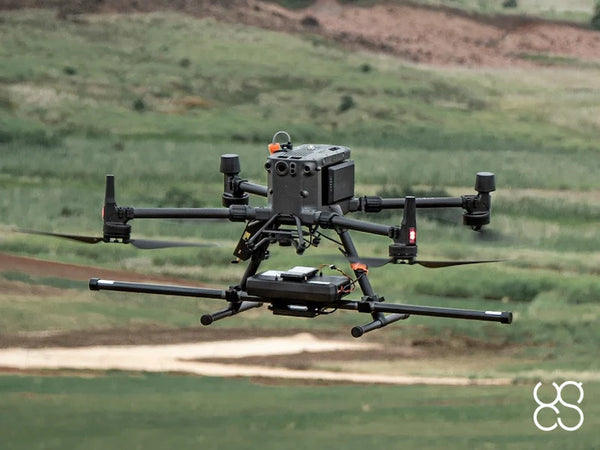
SENSYS
SENSYS MagDrone R3 UAV Gradiometer Magnetometer
$ 17,825.00
View details →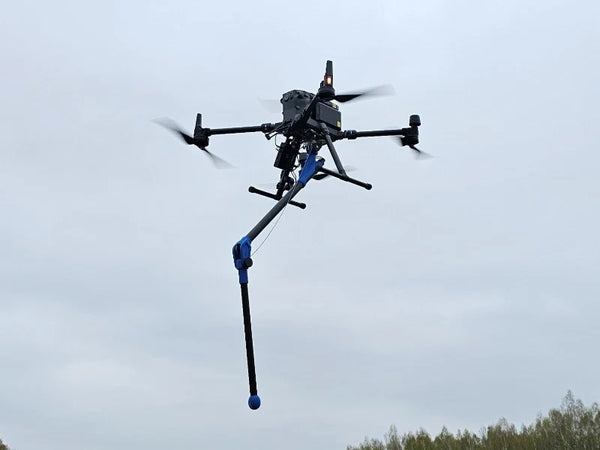
SENSYS
SENSYS MagDrone R1 UAV Magnetometer
$ 11,843.00
View details →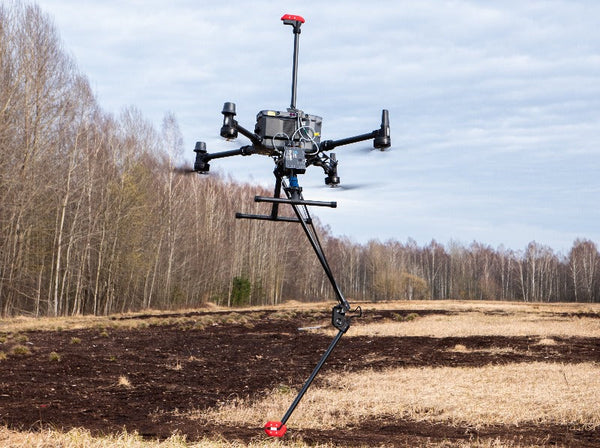
SPH Engineering
MagNIMBUS Atomic Total-Field Magnetometer
$ 21,999.00
View details →Put a magnetometer in the air
We'll help you choose the sensor, aircraft and software for your survey area and targets.
More about Magnetometer
What is a Magnetometer
A magnetic field is the area around a magnet, magnetic object, or an electric charge in which magnetic force is exerted. Earth behaves like a giant magnet.
The two primary characteristics of magnetic fields are their strength (referred to as magnetic flux density or magnetic induction) and direction.
A magnetometer is a device that measures the magnetic field at a point where it is.
Types of Magnetometers
-
Scalar Magnetometers
Measure only the strength of the magnetic field. -
Vector Magnetometers
Measure both the strength and direction of the magnetic field.
How it works
By measuring the magnetic field at multiple points across a search area and analyzing the data, magnetometers can identify anomalies where the magnetic field differs from the average level. These anomalies often indicate the presence of magnetic objects hidden beneath the surface.
The most common measurement unit for the magnetic flux density (or magnetic induction) is nanotesla (nT). It’s what you will get in the results of measurements, magnetometer data files, etc
Scenes shown are illustrations.
Shop by brand
- DJI
- AUTEL
- Skydio
- Inspired Flight
- Unitree
- Chasing
- QYSEA
- ACSL
- Antigravity
- Arcsky
- CHCNAV
- Agremo
- Deep Robotics
- AGIBOT
- Booster Robotics
- Flybotix
- UVIRSYS
- Corona
- GeoCue
- Elistair
- SPH Engineering
- Vantage Robotics
- AVSS
- BLV